

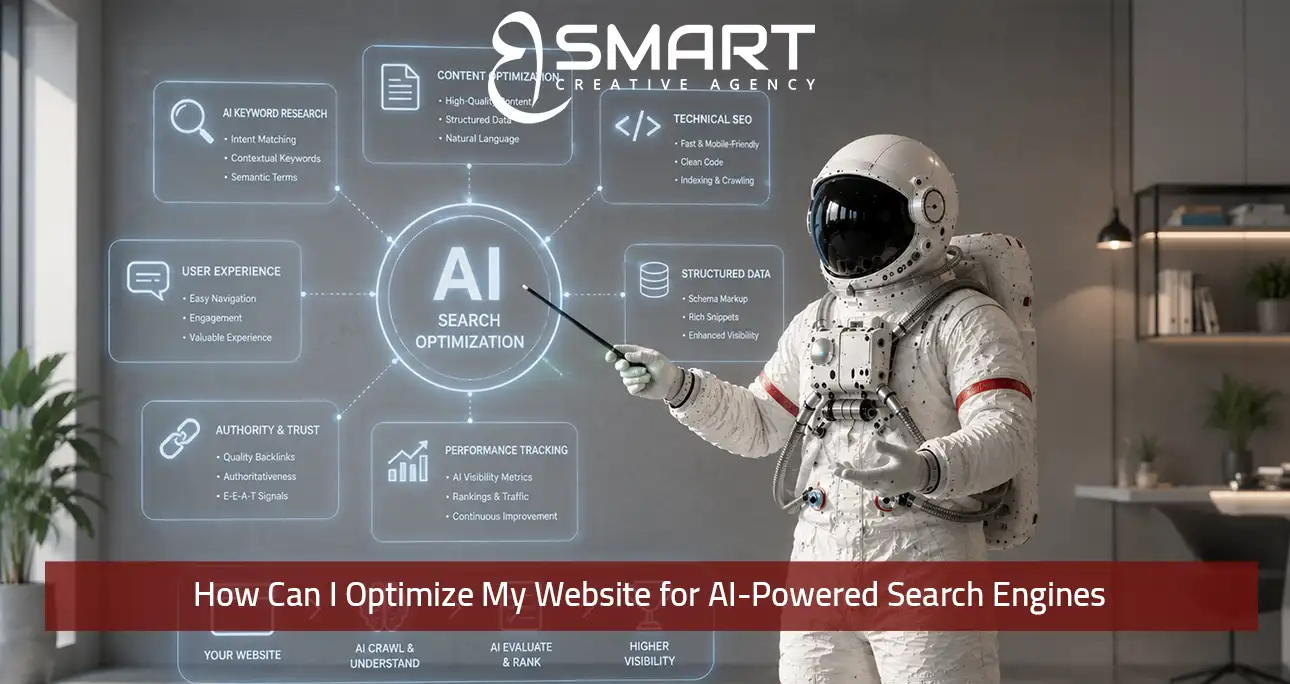
Optimizing for AI-powered search — often referred to as Generative Engine Optimization (GEO) or AI Optimization (AIO) — shares meaningful overlap with traditional SEO fundamentals, but it also introduces distinct considerations specific to how AI systems process, synthesize, and cite information differently from how traditional search engines rank and display a list of links, and understanding these distinctions is essential for businesses that want to be genuinely referenced and recommended within AI-generated responses rather than invisible to them.
Create Helpful, Comprehensive Content
The foundational principle, shared with traditional SEO but arguably even more critical for AI systems, is creating genuinely helpful, comprehensive content that directly and thoroughly answers the specific questions your target audience is actually asking, rather than content built primarily around keyword density or search engine manipulation tactics. AI systems are specifically designed to synthesize direct, useful answers to a user’s actual question, which means content structured clearly around directly answering specific questions — with clear, extractable answers rather than answers buried within lengthy, unfocused prose — is substantially more likely to be identified, extracted, and cited by these systems than content that requires significant interpretation to extract a clear, directly usable answer.
Structure Content for AI Readability
Content structure and clarity matter more directly for AI systems than they may have for traditional search rankings historically, because AI systems need to parse and extract specific, discrete pieces of information efficiently to synthesize into a coherent response. This means clear, descriptive headings that accurately signal what specific question or subtopic each section addresses, well-organized information hierarchy that moves logically from general to specific, and content that states clear, direct answers early within a section rather than building up to a conclusion through extended narrative, all genuinely improve an AI system’s ability to correctly identify and extract your content as a relevant, citable source for a specific query.
Implement Structured Data
Structured data markup — technical code embedded in a website that explicitly labels specific pieces of content (business information, product details, article authorship, frequently asked questions, and more) in a format machines can reliably parse — takes on increased importance for AI-powered search, because this structured data gives AI systems explicit, unambiguous signals about what specific information a page contains, rather than requiring the system to infer that information from unstructured prose alone, meaningfully increasing the likelihood and accuracy of that content being correctly understood and referenced.
Maintain Strong Technical SEO
Website technical health — fast loading speed, secure connections, mobile compatibility, and straightforward crawlability without technical barriers preventing systems from accessing and processing content — remains foundational for AI-powered search just as it does for traditional search, since AI systems still need to be able to technically access and process a website’s content in the first place before any content quality or structure considerations become relevant at all; a technically inaccessible website simply cannot be referenced, regardless of how excellent its actual content might be.
Demonstrate E-E-A-T
Demonstrated expertise, experience, authoritativeness, and trustworthiness — the framework often summarized as E-E-A-T — appears to carry meaningful weight in how AI systems evaluate which sources to treat as credible and citable, similar to its established role in traditional search ranking. This means genuine author credentials and expertise clearly represented on content, original research, data, or insights that go beyond simply restating widely available information, and consistent, verifiable business information and reputation across the web all likely contribute to a business being treated as a credible, citable source by AI systems, rather than content that appears generic, unattributed, or indistinguishable from countless similar pieces already available elsewhere.
Shift Your SEO Mindset for AI Search
A genuinely important shift in mindset, rather than a specific tactic, is recognizing that the actual goal has meaningfully evolved beyond simply achieving a high ranking position in a list of links for a human to click through and evaluate themselves. The goal now includes becoming a source that AI systems can confidently and directly reference, extract from, and recommend within a synthesized answer — which places a premium on genuine clarity, directness, and demonstrable trustworthiness of content, since the AI system is making an implicit judgment about whether your content is reliable enough to confidently synthesize into its answer and potentially cite as a source, rather than simply presenting your link as one of many options for a human to independently evaluate and choose between.
Practical Steps to Optimize for AI Search
The practical starting point for a business beginning to optimize specifically for AI-powered search is to audit existing content against these principles: does it directly and clearly answer specific, real questions your audience is actually asking, is it structured in a way that makes clear answers easy to extract, does structured data accurately represent the content’s key information, is the underlying website technically sound and accessible, and does the content demonstrate genuine expertise and originality rather than restating generic, widely available information. Addressing gaps identified across these specific areas systematically, rather than treating AI optimization as a separate, entirely new discipline requiring an entirely different strategy from traditional SEO, positions a business to be well-referenced across both traditional and AI-powered search as this landscape continues to develop and mature.
How to Measure Your AI Visibility
Test Your Business in AI Assistants
A simple way to test how your business currently appears to these systems is to directly ask a major AI assistant a specific question a genuine prospect might ask about your category — not your brand name directly, but the actual problem or need your business solves — and observe whether your business is mentioned at all, and if so, how accurately the response represents what you actually offer. Repeating this test periodically across the specific questions most relevant to your business provides a direct, practical measure of your current AI visibility, and any gap between how you’d want to be represented and how you’re actually being represented is a concrete, actionable starting point for the content, structure, and technical improvements described above, rather than an abstract exercise disconnected from how these systems actually behave toward your specific business today, and it costs nothing more than a few minutes of your time to run on a recurring basis.
Choose the right digital marketing strategy: How Do I Know Which Digital Marketing Strategy Is Right for My Business?


